

Flexibility Pearls

The Science Behind the 6 Most Common Arabesque Mistakes — And How to Fix Them
Posted by Paul Zaichik on
What Does Your Arabesque Look Like? An arabesque can look beautiful from a distance, but small differences in turnout, pelvic position, strength, flexibility and control can completely change the line. That is why two dancers can lift the working leg...
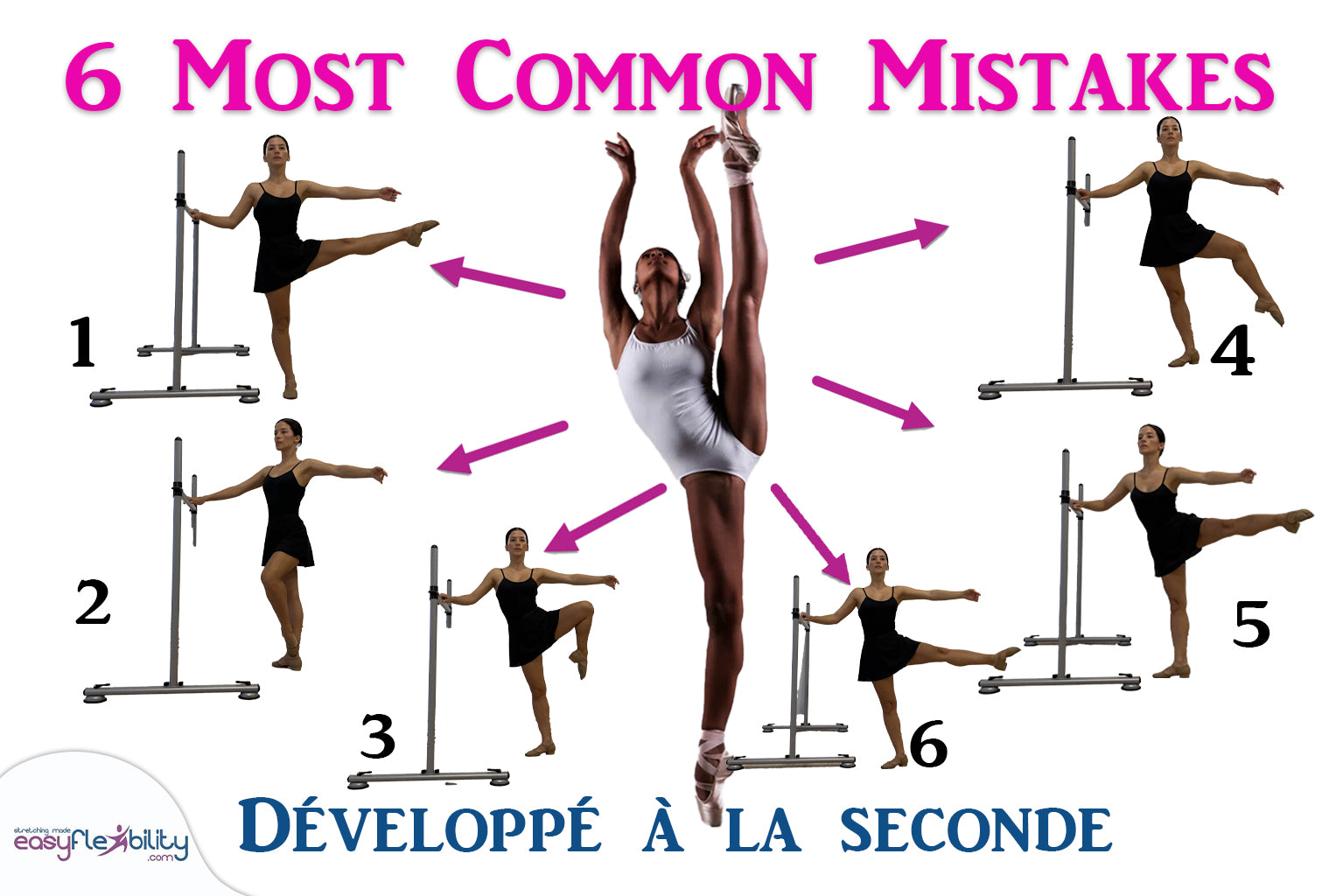
The Science Behind the 6 Most Common Developpé à la Seconde Mistakes—And How to Fix Them
Posted by Paul Zaichik on
The Science Behind the 6 Most Common Developpé à la Seconde Mistakes—And How to Fix Them What Does Your Developpé à la Seconde Look Like? Here are the six most common mistakes dancers make and how to correct them. Mistake...
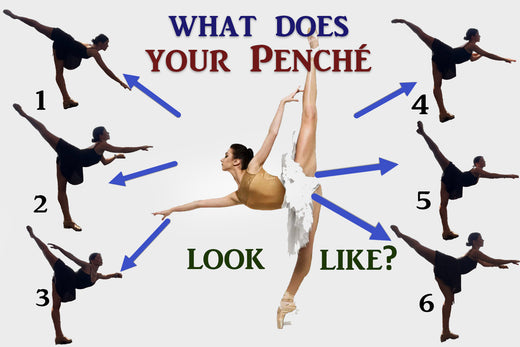
What does your Penche Look like? Find Your Penché Flaw & Fix It Fast!
Posted by Paul Zaichik on
What Does Your Penché Look Like? A penché is one of the most beautiful yet technically challenging moves in dance. While it looks effortless when done right, even the smallest misalignments can affect balance, height, and overall appearance.In this guide,...

We Polled Hundreds of People: Why You’re Not Getting Flexible (And How to Fix It)
Posted by EasyFlexibility Team on
Top 10 Reasons Why You’re Not Getting Flexible After Years of Stretching Stretching is often seen as the key to unlocking better movement, preventing injuries, and enhancing performance in activities like dance, yoga, and martial arts. Yet, despite putting in...
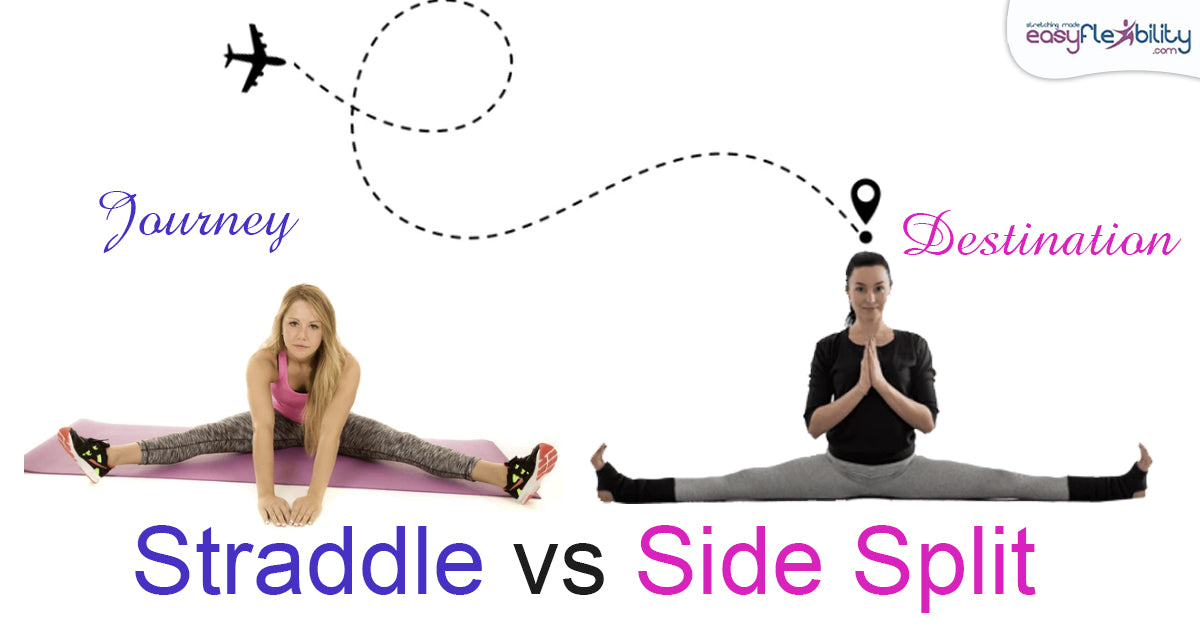
Straddle vs Side Split. What is the difference?
Posted by Paul Zaichik on
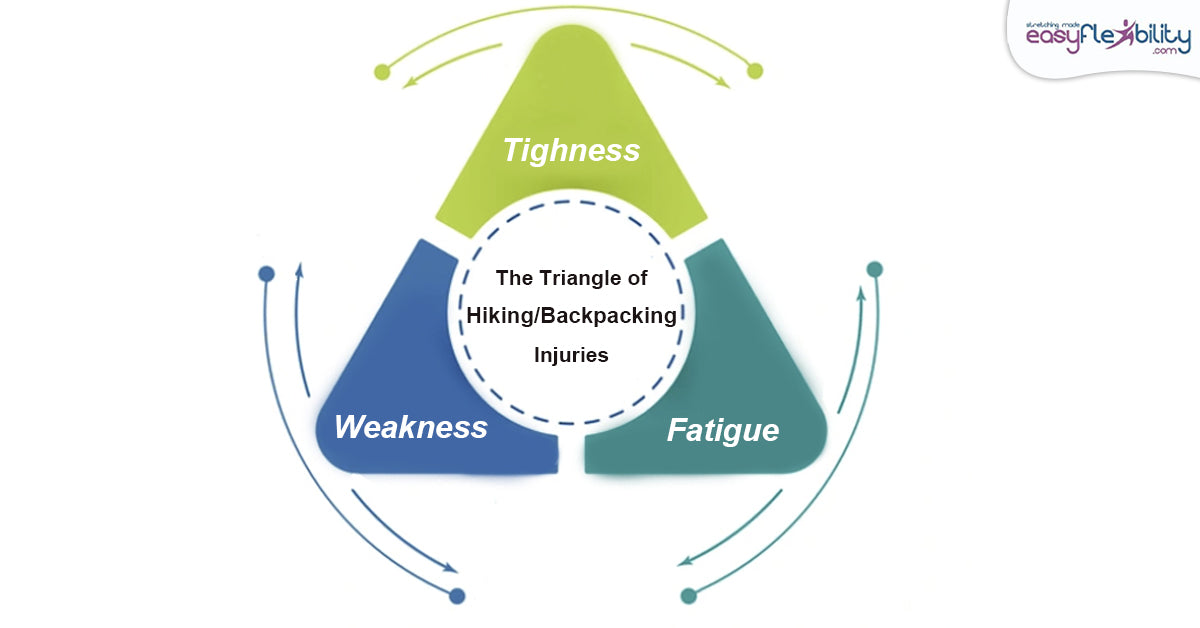
A Triangle of Hiking and Backpacking Injuries
Posted by Paul Zaichik on
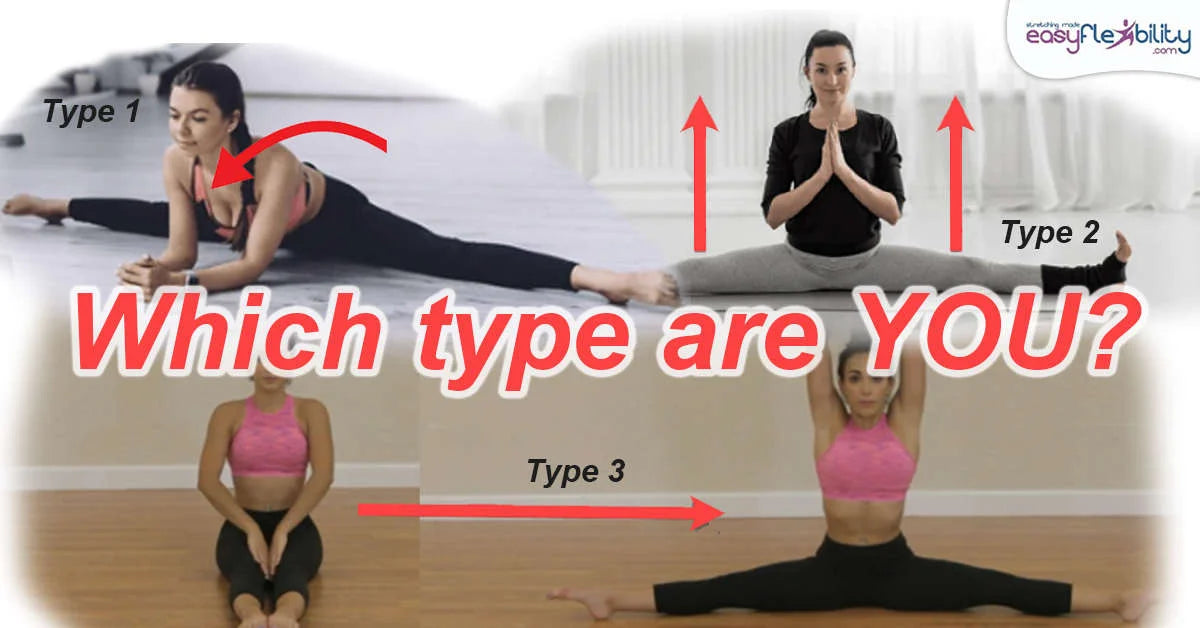
Side Split Mastery. Side split mastered? When is a side split truly mastered?
Posted by Paul Zaichik on
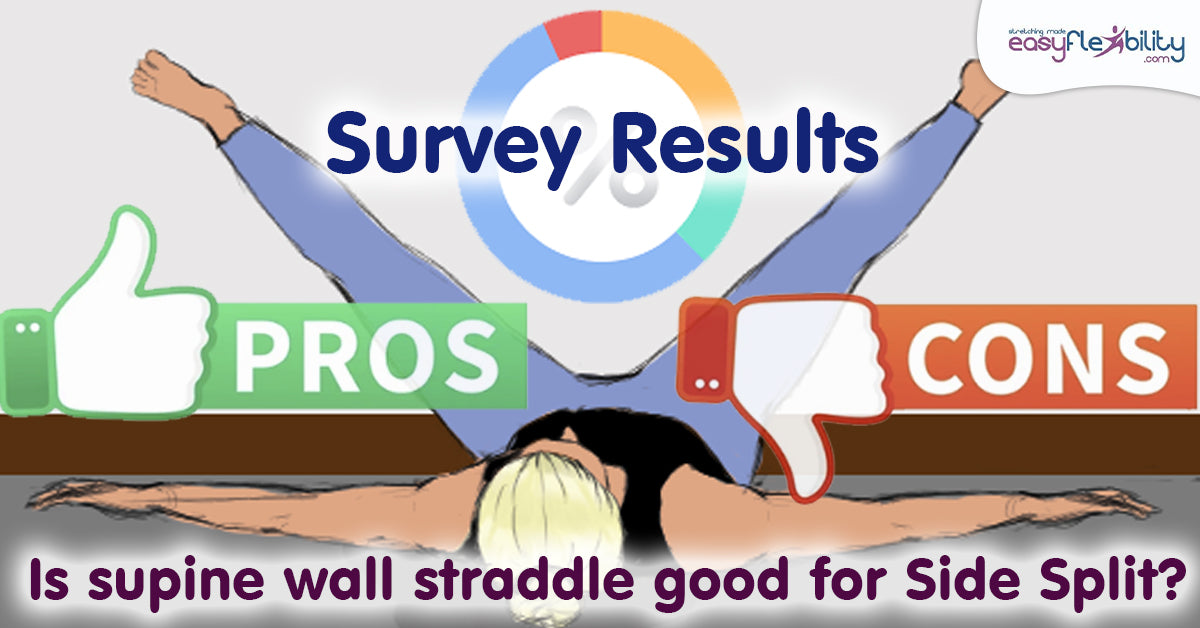
How effective is supine wall straddle or straddle waterfall for attaining a side split?
Posted by Paul Zaichik on
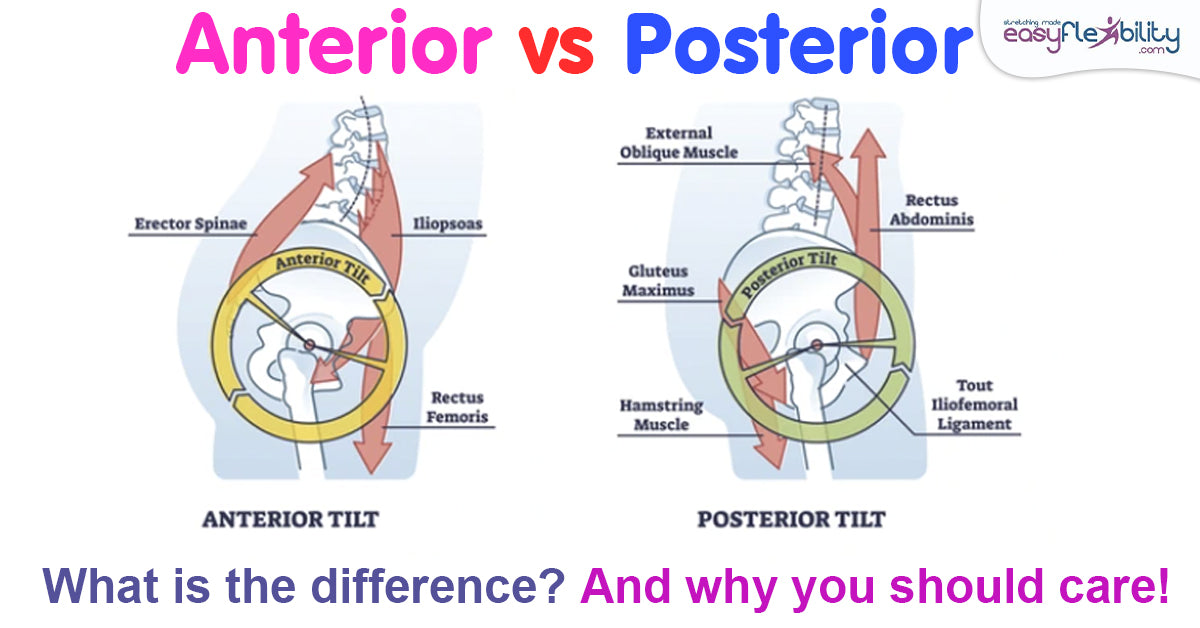
Anterior vs. Posterior Pelvic Tilt: Key Insights & Benefits
Posted by Paul Zaichik on
There's a little bit of confusion about the difference between anterior and posterior pelvic tilt for beginners. So, let’s examine the difference. The anterior pelvic tilt is where the top of the pelvis is tilted forward. And the posterior pelvic tilt is where the top of the pelvis is tilted backward.